Source Credit : Portfolio Prints
Norway’s central bank on Wednesday raised interest rates by 25 basis points to 4.25%, becoming the first major central bank to tighten monetary policy since the Iran war reignited global inflation concerns and rattled financial markets.
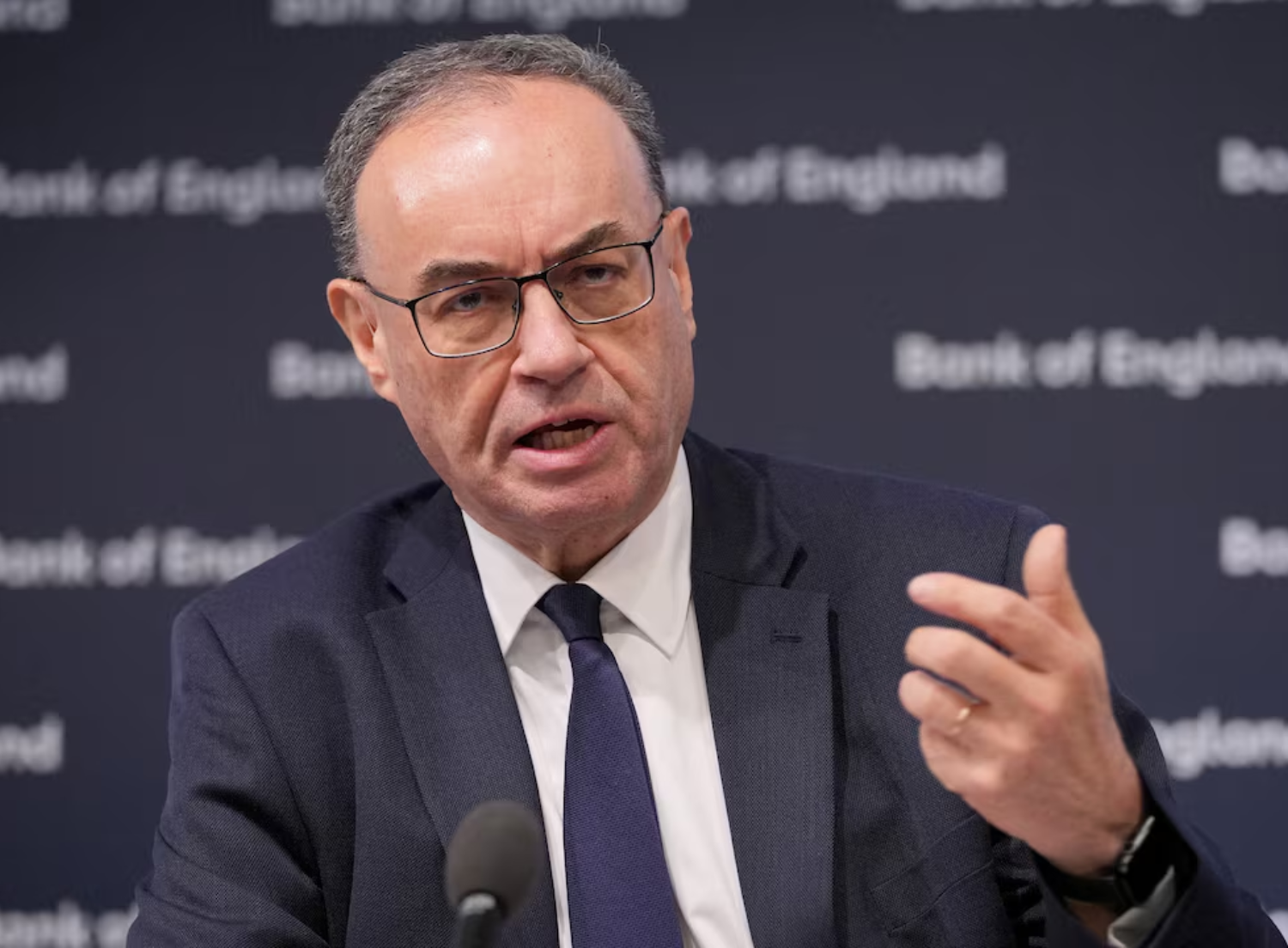
“Inflation is too high and has run above target for several years,” Norges Bank Governor Ida Wolden Bache said in a statement, underscoring policymakers’ growing concerns over persistent price pressures.
“The monetary policy outlook does not appear to have changed materially since March, but the war in the Middle East is still causing substantial uncertainty about the economic outlook,” Bache added.
European markets mirrored the cautious mood seen across Asia overnight after U.S. President Donald Trump said a potential agreement with Iran had not yet been finalized. Trump described assumptions that Tehran would accept the proposal as “perhaps, a big assumption” and warned that military action could resume if negotiations failed.
“If they don’t agree, the bombing starts, and it will be, sadly, at a much higher level and intensity than it was before,” Trump wrote in a post on Truth Social.
An Iranian foreign ministry spokesperson told CNBC on Wednesday that Tehran was still evaluating the latest U.S. proposal aimed at resolving the conflict.
Geopolitical tensions escalated further on Wednesday evening after Israel launched strikes on Beirut for the first time since a fragile ceasefire with Hezbollah was reached on April 16, raising fears of a broader regional conflict.
Asian markets delivered a mixed performance amid the uncertainty. South Korea’s Kospi gave back earlier gains to close 0.68% lower, while the small-cap Kosdaq index fell 0.56%. In contrast, Hong Kong’s Hang Seng index surged 1.47%, and mainland China’s CSI 300 edged 0.38% higher.
Japan stood out as a major outperformer, with the Nikkei 225 soaring more than 5% on Thursday to cross the 62,000 mark for the first time, fueled by strong momentum in export and technology stocks.
Meanwhile, millions of voters across the U.K. headed to the polls for local elections, offering the broadest test of public sentiment since the July 2024 general election.
The vote will determine control of key local public services and councils across the country. Prime Minister Keir Starmer’s Labour Party currently holds the majority of seats but is expected to suffer significant losses in several regions.
In corporate news, British energy giant Shell on Thursday reported stronger-than-expected first-quarter earnings as the Iran conflict sent global oil and gas prices sharply higher.
The oil major posted adjusted earnings of $6.92 billion for the first quarter, comfortably beating analyst expectations of $6.1 billion, according to an LSEG consensus estimate. A separate company-compiled forecast had projected profits of $6.36 billion.
Despite the earnings beat, Shell shares fell 2.2% after the company announced a smaller share buyback program for the upcoming quarter.
Elsewhere, shipping giant Maersk reported underlying earnings before interest, tax, depreciation and amortization (EBITDA) of $1.75 billion for the first three months of the year.
The figure represented a 35% decline from the same period last year, although the result broadly matched analyst expectations compiled by LSEG.
Maersk CEO Vincent Clerc described the Iran war as a “new wake-up call” for global trade and supply chains during an interview with CNBC’s “Squawk Box Europe.”
Shares in the Danish shipping group — widely regarded as a bellwether for the health of global commerce — slid 6.6% in early afternoon trading.